
10 Common Home Staging Mistakes Chicagoland Sellers Make (And How to Avoid Them)
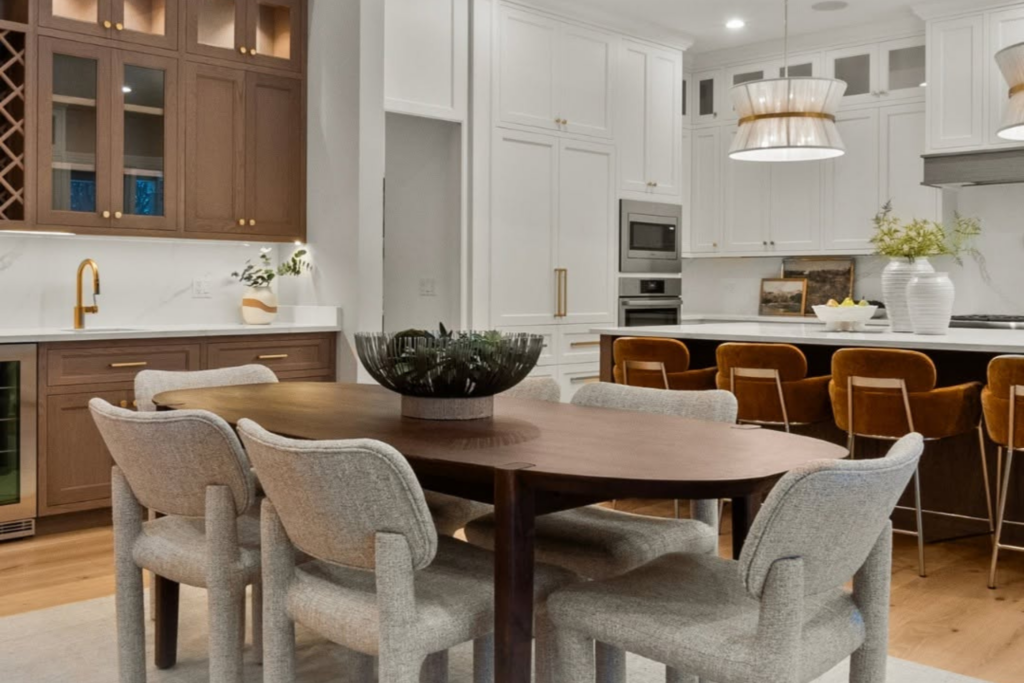
Selling a home in the Chicagoland suburbs is about more than simply putting a property on the market. Today’s buyers often make emotional decisions within moments of walking through the front door, and small staging mistakes can prevent them from fully connecting with a home.
At Chicagoland Home Staging, we’ve spent more than 15 years helping homeowners and REALTORS® prepare properties to attract stronger offers and sell faster. Along the way, we’ve seen many of the same mistakes repeated again and again.
Here are 10 of the most common home staging mistakes sellers make and how to avoid them.
1. Assuming Buyers Will “Look Past It”
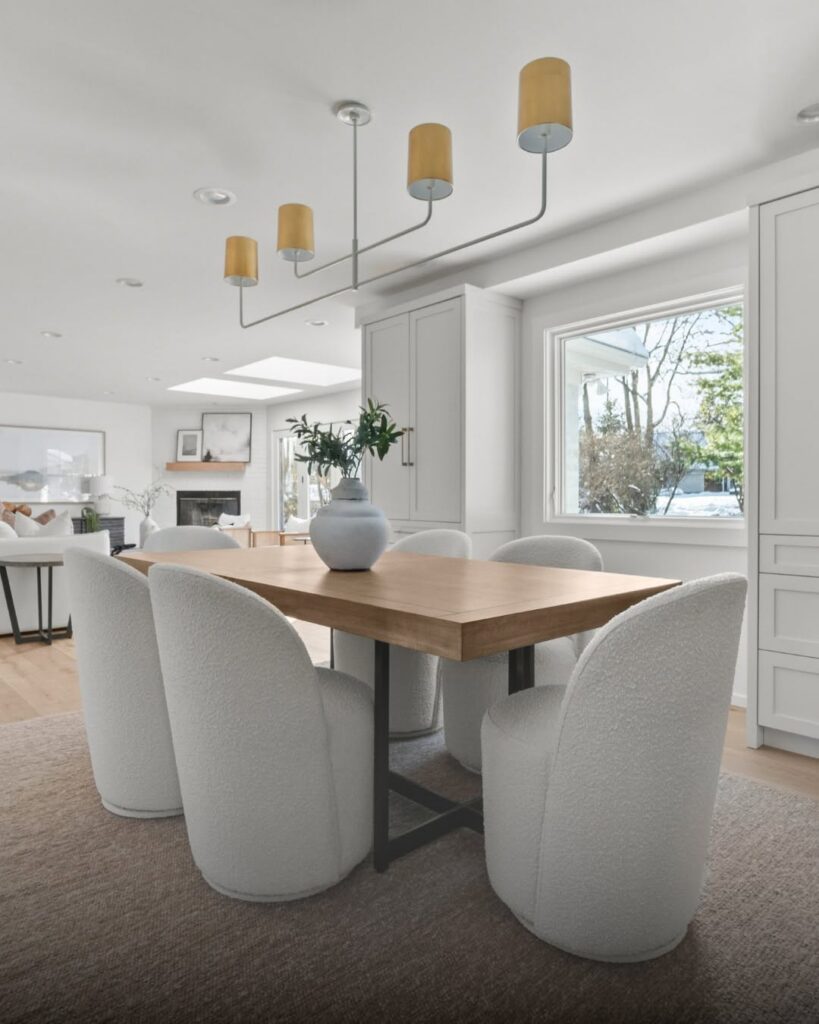
One of the most expensive mistakes sellers make is believing buyers will overlook outdated décor, crowded rooms, worn furniture, or unfinished projects.
The reality is that buyers rarely separate what they see from what they assume. A cluttered room feels smaller. An outdated space feels like work. A home that needs “just a few fixes” can quickly feel overwhelming.
“Buyers don’t separate what they see from how they feel. Our job is to remove distractions and create an emotional connection from the moment they walk through the front door.” – Margaret Gehr, Founder & Owner, Chicagoland Home Staging
Buyers aren’t just evaluating your home. They’re imagining their future in it.
2. Leaving Rooms Without a Clear Purpose
Many homeowners have spaces that evolved over time. A dining room becomes a storage room. A guest bedroom becomes a home gym. A loft becomes a catch-all space. The problem is that buyers should never have to guess how a room is meant to function. Every room should have a clear purpose that supports the lifestyle buyers are seeking.
“When buyers can clearly understand a room’s purpose and imagine their life unfolding there, that’s when offers happen.” – Margaret Gehr
3. Keeping Too Much Furniture
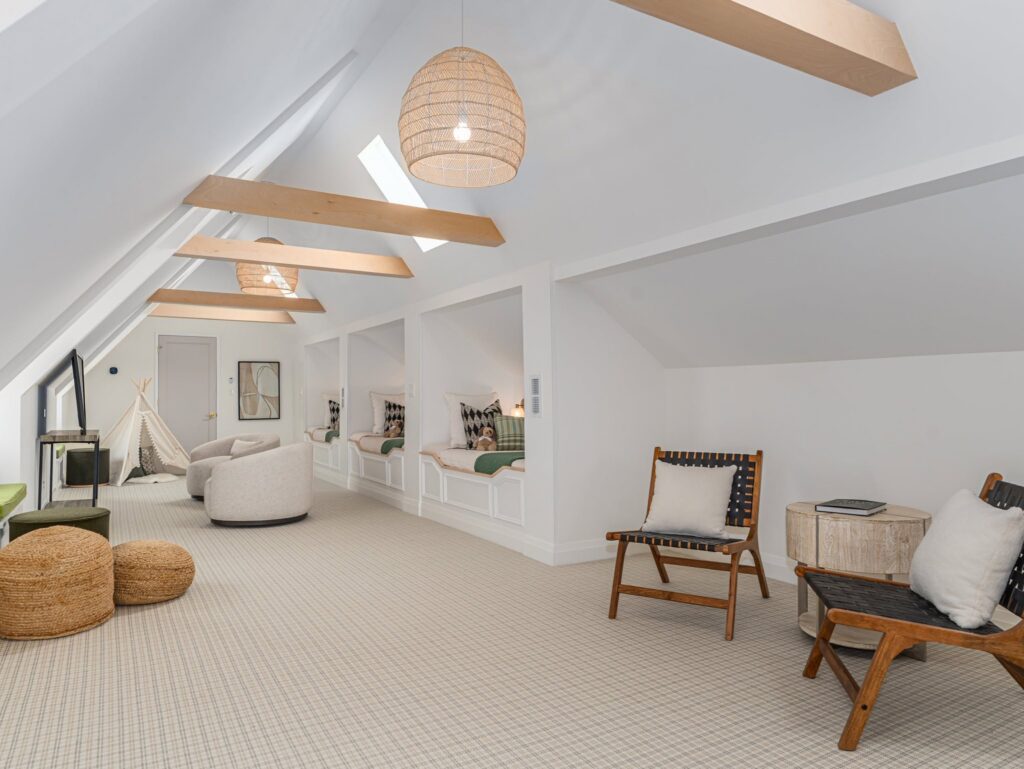
More furniture does not make a home feel larger. In fact, oversized furniture and crowded layouts often make rooms feel significantly smaller. One of our primary goals during staging is creating pathways, sight lines, and breathing room throughout the home. Buyers should be able to move naturally through the property without visual obstacles competing for attention.
“One of the easiest ways to make a home feel larger is not by adding more, but by removing what doesn’t belong.” – Kathy Lobkovich, Owner, Chicagoland Home Staging
Sometimes removing furniture is more important than adding it.
4. Ignoring the Buyer’s First Impression
The buyer experience begins before they step through the front door. Overgrown landscaping, tired planters, faded mulch, dirty windows, or an uninspiring entryway can immediately lower buyer expectations. The exterior should create anticipation for what buyers are about to experience inside. First impressions are difficult to undo.
5. Displaying Too Many Personal Items
Family photos, collections, trophies, and highly personal décor tell the story of your family. The goal of staging is helping buyers imagine their story. When buyers see too much of the current homeowner, it becomes harder for them to mentally move into the space.
“The goal isn’t to make a home look beautiful for the seller. The goal is to make it irresistible to the buyer.” – Margaret Gehr
Depersonalizing doesn’t mean removing warmth. It means creating room for imagination.
6. Overlooking Lighting
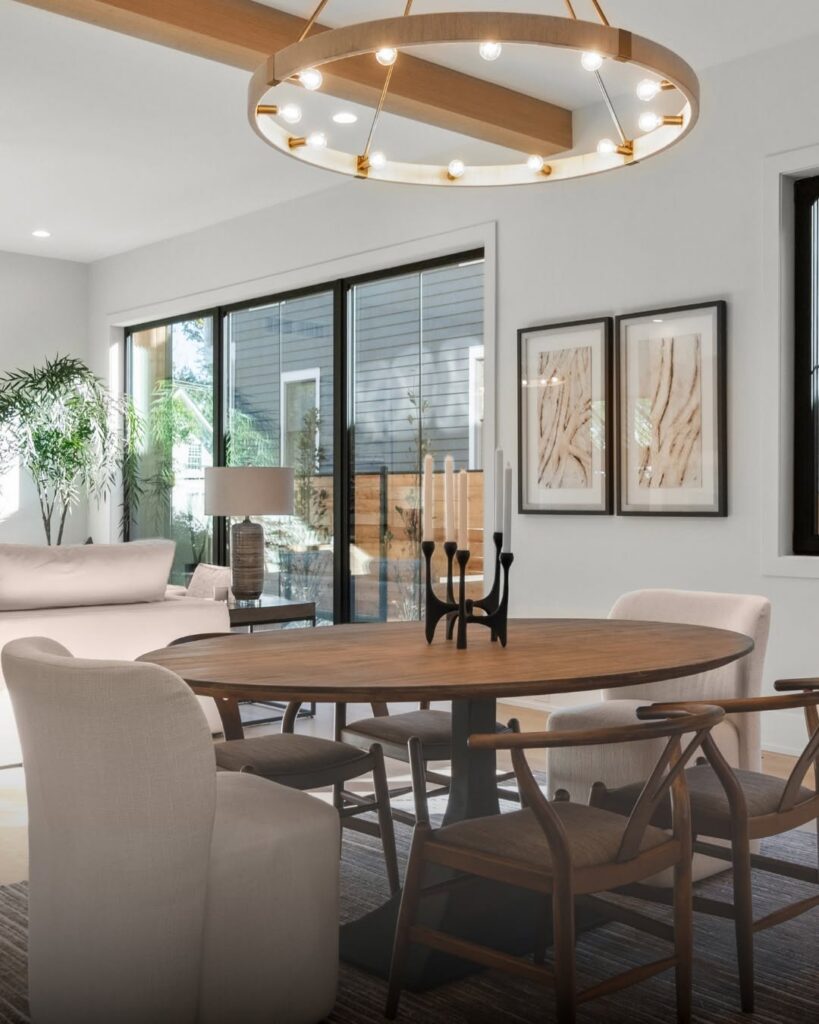
Natural light remains one of the most desired features among today’s buyers. Unfortunately, many sellers unintentionally minimize it with heavy window treatments, dark décor, blocked windows, or inadequate lighting. A properly staged home feels bright, welcoming, and open throughout the day. Lighting has a powerful impact on mood, energy, and perceived value.
“Buyers are evaluating a home long before they realize it. Lighting, spacing, sightlines, and furniture placement all influence how they feel as they move through a property.” – Kathy Lobkovich
7. Using Trendy Instead of Timeless
Bold paint colors, highly specific design trends, and niche decorating styles may appeal to some buyers, but they can alienate many others. The most effective staging creates broad appeal while still feeling elevated and current. Our goal is never to create a generic home. Our goal is to create a home that feels desirable to the largest possible pool of buyers.
8. Forgetting About Online Buyers
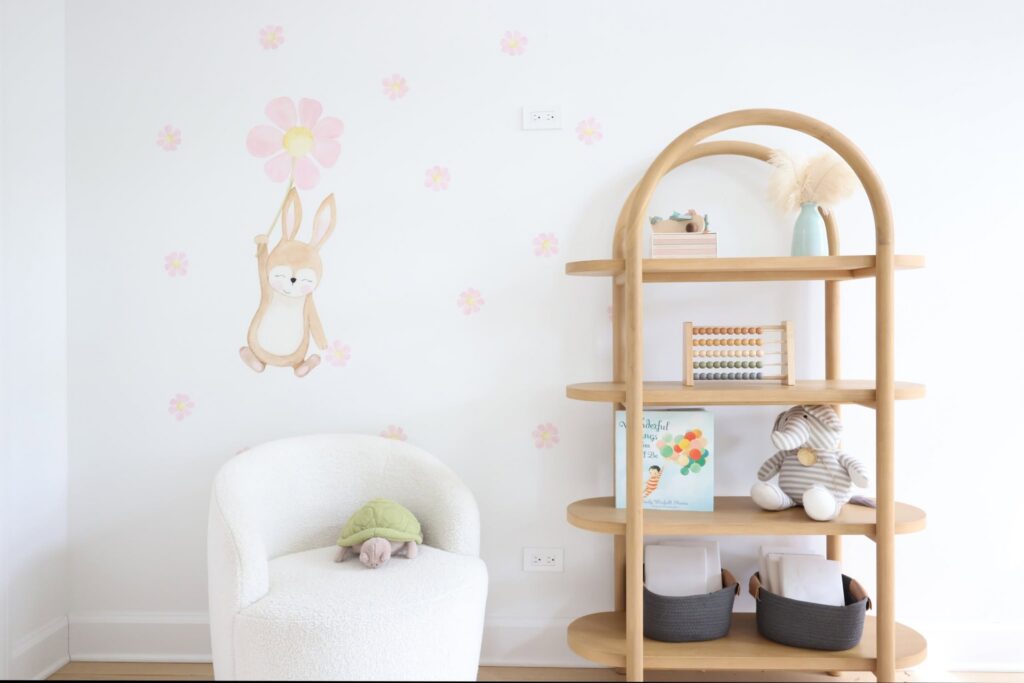
Most buyers begin their home search online. That means your first showing often happens through professional photography. What looks acceptable in person may not translate well in photos, where buyers typically get their first impression of your home.
“The most successful staging creates a sense of possibility. Buyers should walk away remembering how the home felt, not what was in it.” – Kathy Lobkovich
Proper staging ensures rooms photograph beautifully, feel balanced on camera, and encourage buyers to schedule a showing.
9. Waiting Until the Home Is Listed
One of the biggest mistakes sellers make is waiting until after the home is on the market to address presentation. The strongest results typically happen when staging becomes part of the preparation process before photography and before the listing goes live. A home’s first week on the market often generates the highest buyer interest. You want to maximize that opportunity from day one.
10. Thinking Home Staging Is Decorating
Perhaps the most common misconception is believing home staging and interior decorating are the same thing. Decorating is about personal taste. Staging is about buyer psychology. Every furniture placement, accessory, focal point, pathway, and visual cue should help guide buyers through the home and encourage an emotional connection.
“Home staging isn’t decorating. Decorating is personal. Staging is strategic. Every decision we make is designed to help buyers visualize themselves living in the home.” – Margaret Gehr
At Chicagoland Home Staging, we call this the “Yellow Brick Road.” It’s the intentional use of design science to move buyers naturally through a property while helping them visualize life within the space.
The Bottom Line
Home staging isn’t about making a home look pretty. It’s about making buyers say: “I love it.” and “It feels like home.” When done correctly, staging helps buyers connect emotionally, visualize ownership, and feel confident making an offer.
“Great staging creates breathing room for the imagination. That’s what helps buyers mentally move in before they ever make an offer.” – Kathy Lobkovich
If you’re preparing to sell a home in Naperville, Hinsdale, Wheaton, Geneva, St. Charles, Western Springs, or the surrounding western suburbs, Chicagoland Home Staging can help you avoid costly staging mistakes and position your property for success.
Ready to stage smarter? Contact Chicagoland Home Staging today. Contact us today to schedule your staging consultation.