The 4 Questions Prospects Are Really Asking During a Senior Living Tour (And How Model Units Staging Answer Them)
Senior living tours rarely hinge on square footage, floor plans, or pricing alone. While those details matter, most prospects and their families are making decisions based on something far more human: how the space makes them feel.
During a senior living tour, visitors are quietly asking themselves a series of questions. They may not say them out loud, but these questions shape whether a community feels like “the one” or just another option to compare later.
The most effective senior living communities that understand professional model units staging answer these top 4 questions before they are spoken!
Model Units Question 1: “Will My Furniture Fit Here?”
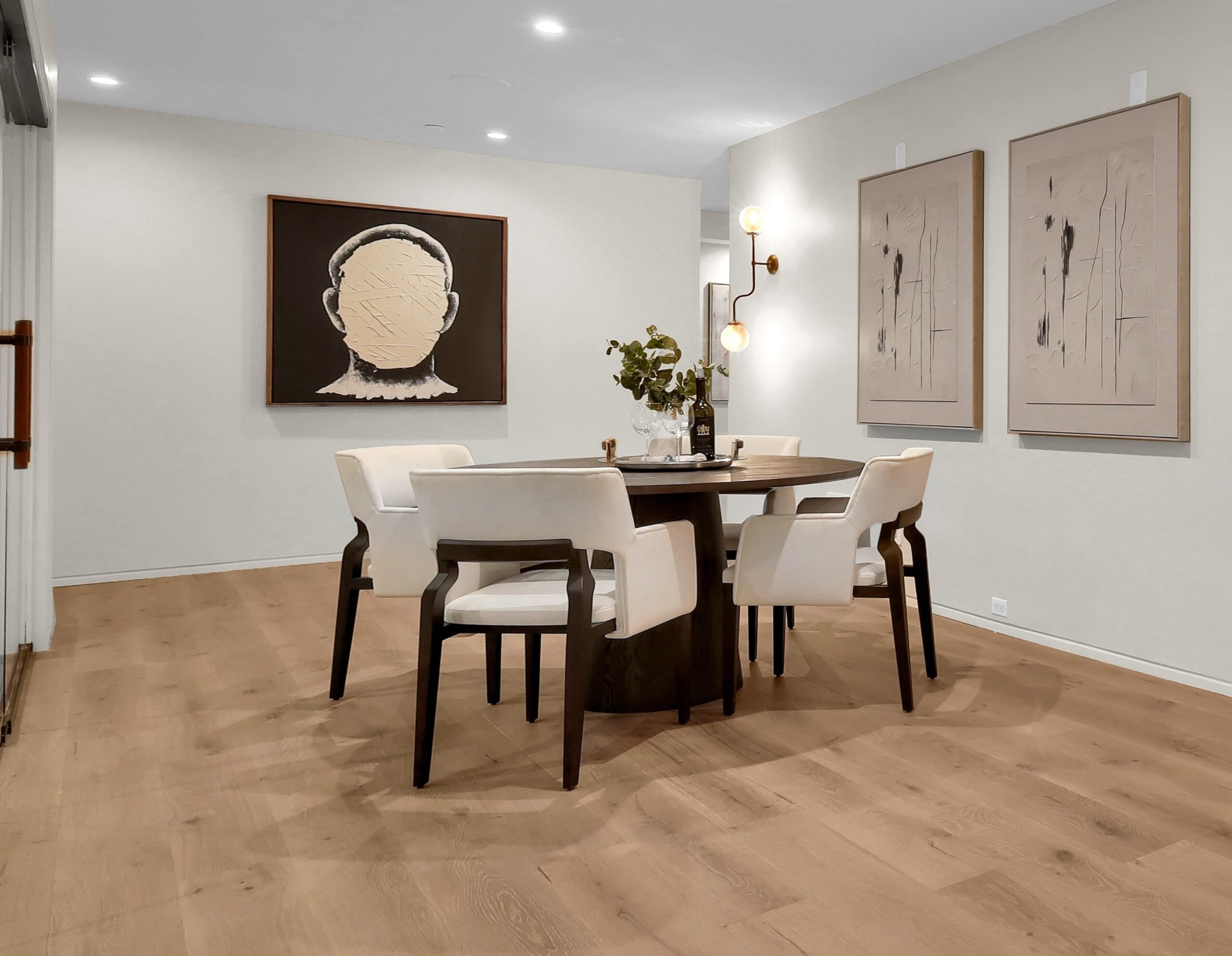
This is often the very first concern, especially for seniors who have lived in their homes for decades.
They are thinking about:
• Their sofa
• Their dining table
• Their favorite chair
• Their bedroom furniture
• Their treasured belongings
An empty unit leaves too much to the imagination. Prospects struggle to visualize scale, flow, and functionality.
“When a space is empty, people tend to overestimate how small it is,” says Margaret Gehr, Co-Founder of Chicagoland Home Staging. “Staging immediately grounds the space. It shows how furniture fits comfortably and how the home can function day to day without feeling cramped.”
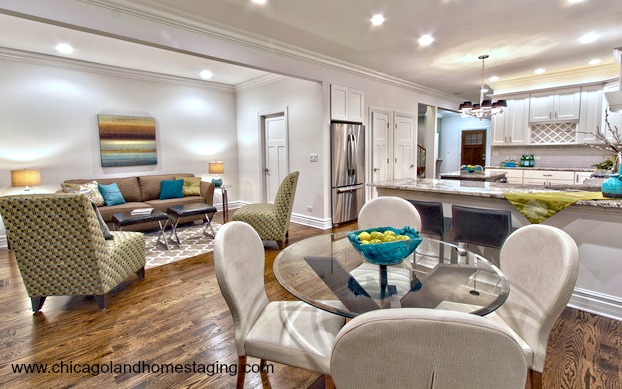
A thoughtfully staged model unit removes uncertainty by demonstrating:
• How furniture fits without crowding
• How walking paths flow naturally
• How rooms can feel open and livable, not downsized
Instead of guessing, prospects can see what is possible.
Model Units Question 2: “Will This Feel Comfortable and Welcoming?”
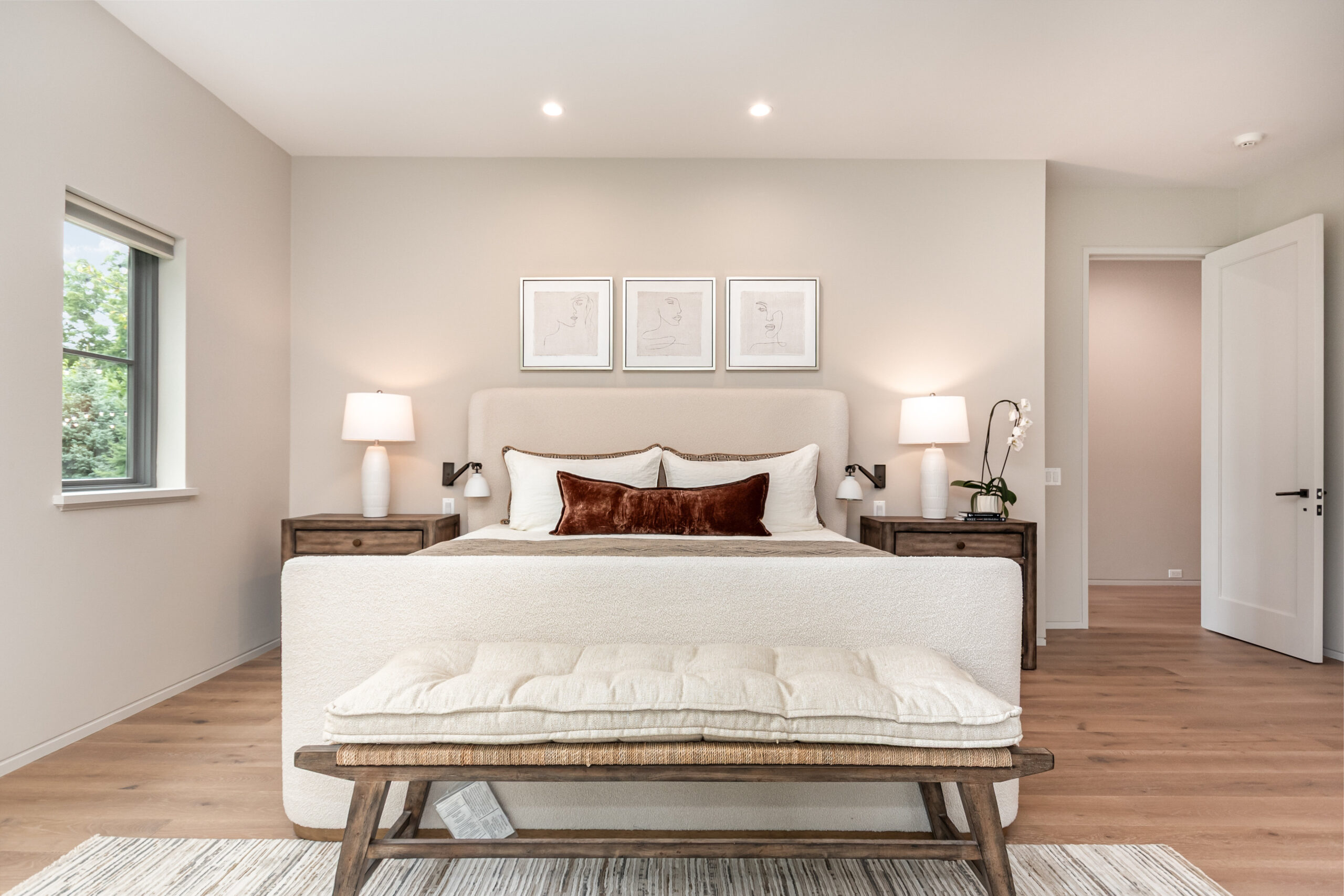
Comfort is not just about physical ease. It is emotional.
Prospects are asking whether the space feels warm, calming, and personal or sterile and temporary.
Design details make the difference:
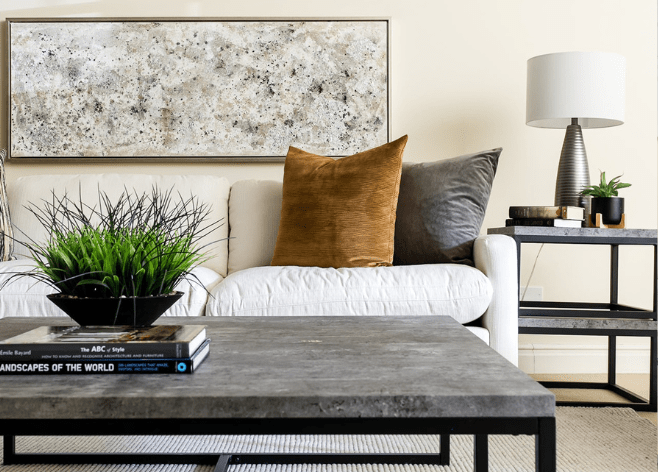
• Soft textures
• Layered lighting
• Warm color palettes
• Inviting furniture arrangements
“Comfort is about creating emotional safety,” Margaret explains. “When someone walks into a staged model and immediately relaxes, that’s not accidental. It’s the result of thoughtful design choices that say, ‘You belong here.’”
A professionally staged model unit creates an instant sense of ease. It signals that the community understands comfort and has intentionally designed spaces to feel like home, not housing.
Model Units Question 3: “Does This Reflect the Lifestyle I Want?”

Today’s senior living prospects are not looking for generic spaces. They want environments that reflect who they are now, not outdated assumptions about aging.
They are asking:
• Does this feel current?
• Does this match my taste?
• Does this align with how I see myself living next?
“Senior living communities are competing not just on care, but on lifestyle,” says Margaret. “Design plays a huge role in whether someone feels proud to live there. A well-staged model unit communicates that the community is modern, intentional, and invested in quality.”
Model units staged with current design trends show that the community is attentive, relevant, and forward-thinking, especially important when prospects are comparing similar offerings.
Model Units Question 4: “Can I Picture Myself Living Here Every Day?”
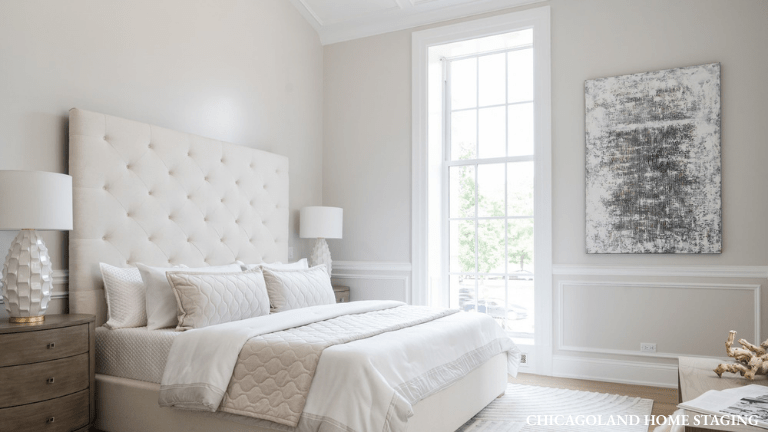
This is the most important question of all.
The moment a prospect mentally places themselves in the space, the sales process shifts. The decision becomes emotional rather than purely practical.
Staged model units help prospects imagine:
• Morning routines
• Relaxing evenings
• Hosting family visits
• Personalizing the space
“We stage with storytelling in mind,” Margaret notes. “Every room should quietly answer the question, ‘What would my life look like here?’ When that story resonates, people stop shopping and start deciding.”
Accessories, furniture placement, and styling cues work together to help visitors envision a future, not just a unit.
Why Empty or Outdated Units Work Against You
When model units are empty or furnished with outdated pieces, sales teams are forced to do more explaining and reassuring.
Prospects are left to:
• Guess how the space could look
• Worry about fit and comfort
• Question whether the community is keeping up with expectations
“An outdated or under-furnished model can unintentionally signal neglect or stagnation,” Margaret says. “Even if everything else is excellent, the visual experience carries weight.”
This hesitation often leads prospects to continue touring competitors instead of moving forward.
How Professional Model Units Staging Supports the Sales Team
Professionally staged model units act as a silent sales partner.
They:
• Reduce objections before they surface
• Create emotional connection early in the tour
• Allow sales teams to focus on relationships, not explanations
• Elevate the overall perception of the community
“Our goal is to make the sales team’s job easier,” Margaret explains. “When the model unit is doing its job, the conversation shifts from ‘Can this work?’ to ‘How soon can I move in?’”
Turning Senior Living Tours Into Decisions
Senior living tours are about more than showing spaces. They are about answering unspoken questions and helping prospects feel secure in a life-changing decision.
When model units are staged with intention and design expertise, those answers are clear, immediate, and reassuring.
Instead of leaving with questions, prospects leave with clarity. And clarity is what turns tours into move-ins.