
Better Than AI: Why Real Home Staging Still Matters When Buyers Walk Through the Door
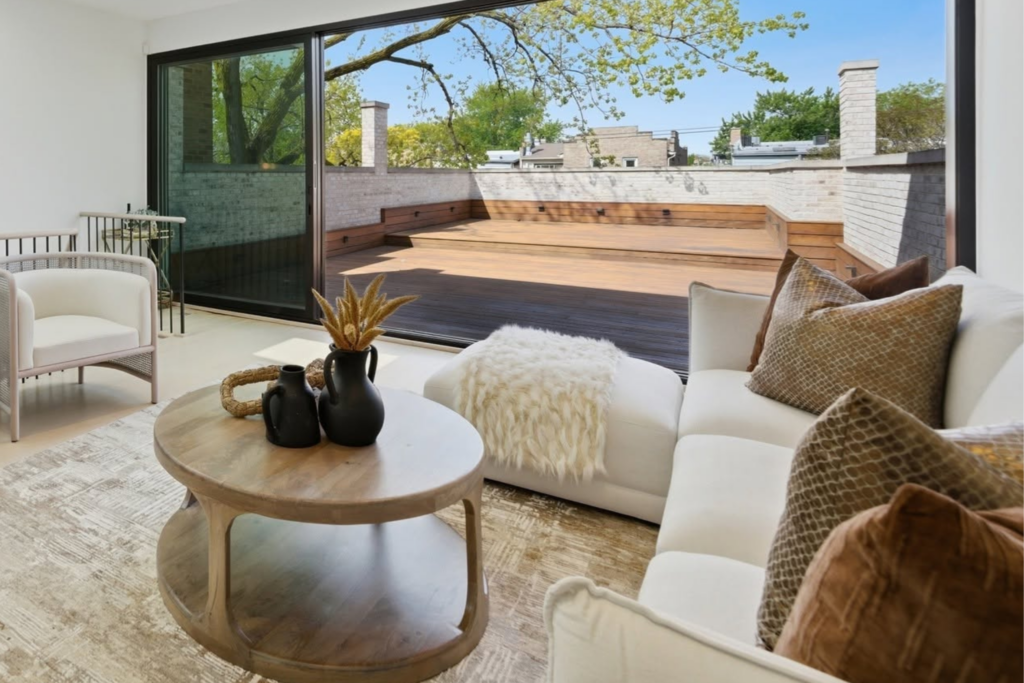
AI photography trends tempt home sellers, but can’t top professional staging when it comes to creating a home buyers can actually experience (and bid on).
A sofa that doesn’t exist. Furniture at an awkward scale. A room that looks nothing like the listing once buyers walk through the door. AI and virtual staging fill an empty space online, but buyers don’t purchase listing photos. They purchase homes. Professional home staging creates the real experience, using furniture placement, scale, sight lines, and flow to help buyers understand the space and picture themselves living there.
That’s the difference between staging a photo and staging a home.
The Listing Photo Is Only the Beginning
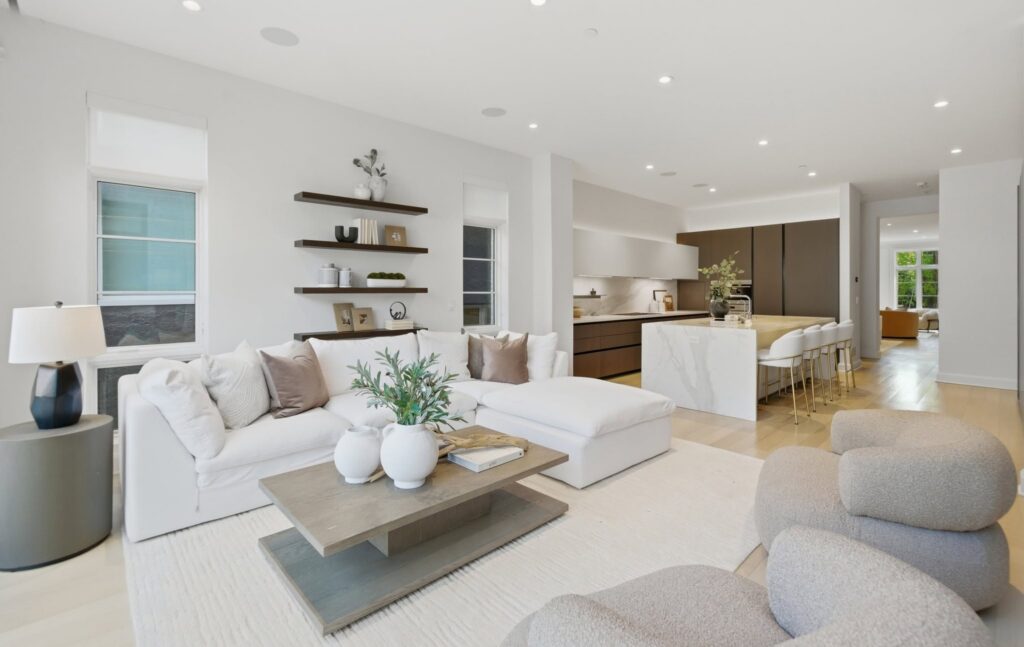
There’s no question that photography matters. For many buyers, listing photos are their first introduction to a property, and beautiful images can help turn a scroll into a showing. But eventually, the buyer arrives. That’s when a room has to work beyond the photograph. Can buyers immediately understand how the space could be used? Does the furniture help demonstrate scale? Is there a comfortable path through the room? Do the pieces draw attention toward the home’s strongest architectural features? Does an open-concept space feel connected while still giving each area a clear purpose? Virtual furniture can create an appealing picture. Physical staging creates an experience.
“We’re always thinking beyond the photograph. A room needs to look beautiful online, but when buyers walk through the door, the furniture placement and design also need to help them understand how they could actually live in the space,” says Margaret Gehr, Co-Owner of Chicagoland Home Staging.
From a Beautiful Room to a Livable Space
Look at an open-concept living room and kitchen, for example. Without furniture, buyers are left to mentally calculate where a sectional might fit, how much room there really is between the living and dining areas or whether the kitchen can comfortably accommodate seating. Thoughtful staging answers many of those questions without saying a word.
A sectional can establish the living area without closing it off from the kitchen. Counter stools can demonstrate how an island becomes a gathering place. Chairs, rugs and tables establish natural zones while maintaining walking paths and sight lines through the home. The result isn’t simply a prettier room. Buyers get a visual demonstration of how the home lives.
Good Staging Directs the Eye Without Buyers Realizing It
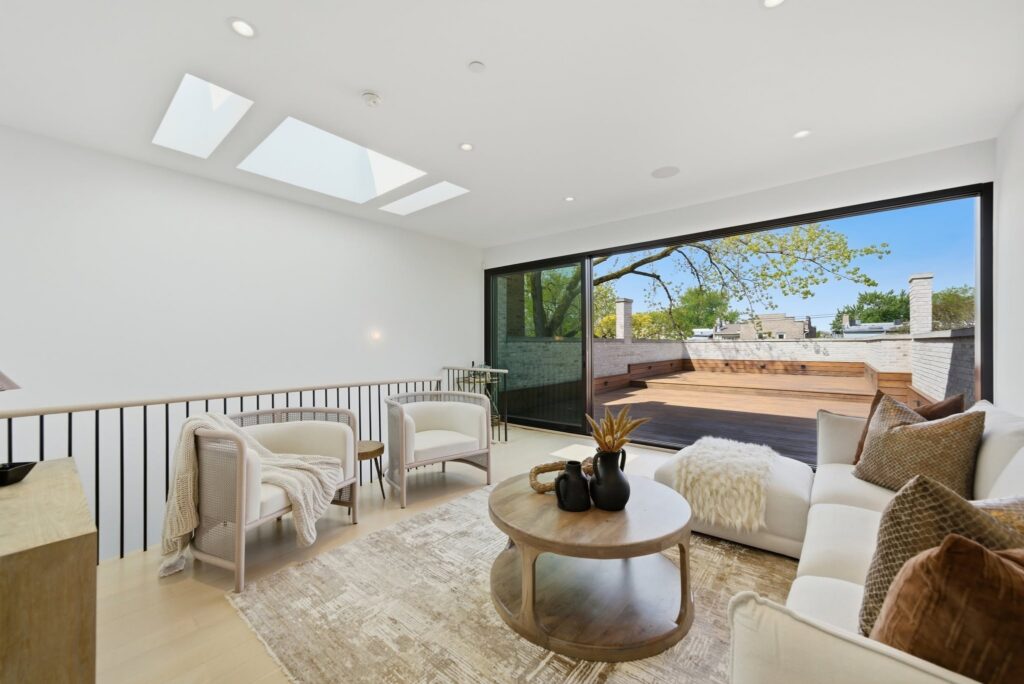
Some of the most important staging decisions may be the ones buyers never consciously notice. Furniture placement can create natural stopping points as someone moves through a property. A seating arrangement can turn attention toward a fireplace, large window or architectural detail. Properly scaled furniture can demonstrate the size of a room without overwhelming it. An intentionally placed rug can define one area while preserving the openness of another. Chicagoland Home Staging describes its process as both the art and science of staging, using natural stopping places, sight lines, walking lanes and room for imagination when designing a space.
“There’s a reason we put a chair here instead of there or leave a particular area open. We’re thinking about where a buyer’s eye goes, how they move through the room and what we want them to notice about the home,” says Kathy Lobkovich, Co-Owner of Chicagoland Home Staging.
That strategy is especially important in unusual layouts, large open spaces or rooms where the intended function isn’t immediately obvious.
Buyers Don’t Have to Imagine Whether Their Furniture Will Fit
An empty room can actually be surprisingly difficult to judge. Without familiar objects for scale, buyers may perceive a room as smaller than it is or have difficulty figuring out how furniture could be arranged. Conversely, digitally inserting furniture into a photograph may help illustrate one possibility online, but buyers still encounter an empty space when they arrive. Physical staging gives them something tangible.
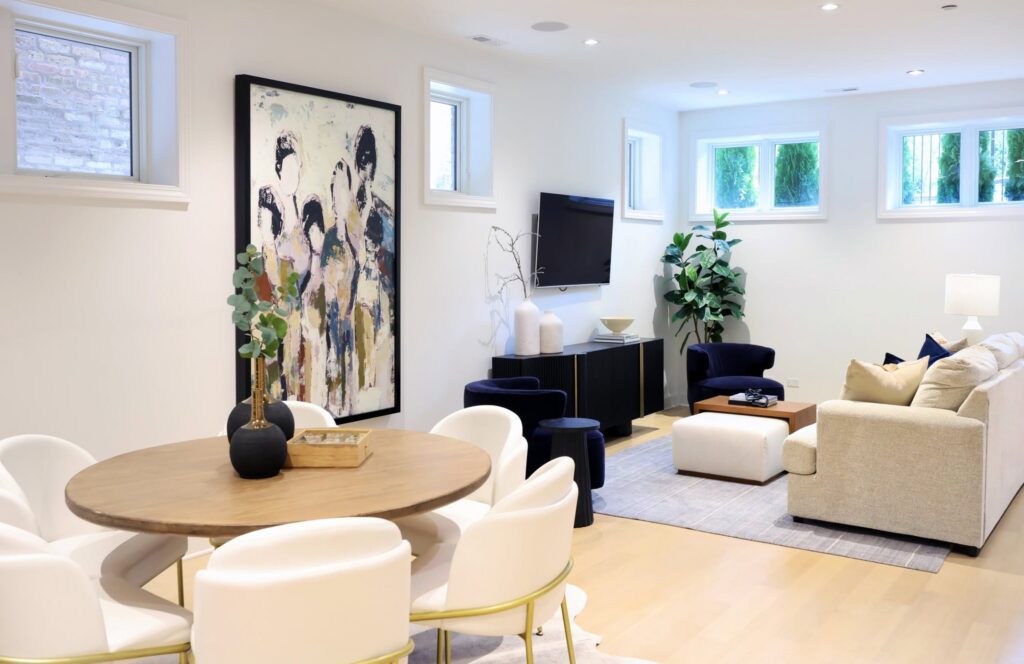
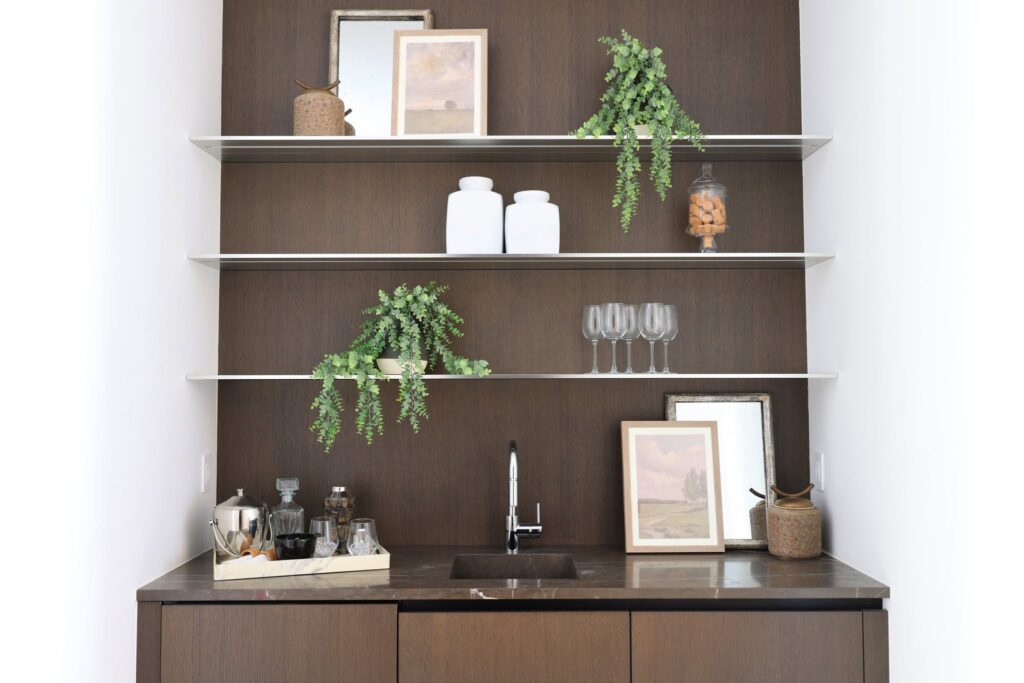
A dining table demonstrates how many people might comfortably gather there. A properly scaled sofa shows how much living space remains around it. Seating near a large window can demonstrate an otherwise overlooked reading or conversation area. Even a small bar or built-in can become easier to understand when it is styled for its intended purpose. Instead of asking buyers to solve the room, staging helps answer the question for them.
The Online Experience Matches the Open House
This may be one of the biggest advantages of physical staging in an increasingly digital real estate market: there’s no disconnect between what attracted the buyer online and what they encounter in person. The bright living room they saved is still there. The cozy seating arrangement is still there. The dining area that helped them picture hosting friends is still there. The photograph got them interested. Now the actual space can reinforce that interest.
That continuity can matter emotionally, too. Buyers aren’t walking into an empty property and trying to recreate the listing photographs in their heads. They’re experiencing the home much the way they first imagined it.
“We want the photos to make buyers want to see the home, but we also want the home to deliver on that first impression when they arrive. That’s where real staging has an advantage. Buyers can actually walk through and experience the spaces they connected with online,” says Gehr.
AI Can Generate a Room. It Can’t Stage an Open House.
AI and virtual staging can be useful visualization tools, particularly when the goal is to demonstrate possibilities in a photograph. But an image is ultimately only one part of selling a home. A buyer walking through a property experiences dimensions, pathways, transitions, scale and relationships between rooms that can’t be communicated completely through a screen. Professional home staging is designed for both experiences.
It considers how the home photographs and how someone moves through it. It considers how furniture looks and whether its scale makes sense. It considers whether a room is attractive and whether buyers immediately understand its purpose. That’s the difference between decorating an image and staging a home.
Give Buyers a Reason to Picture Themselves Here
A sunny corner to enjoy in the morning. A kitchen where friends can pull up a stool while dinner is being made. Thoughtful furniture placement gives each space a clear purpose while keeping the home feeling open, connected, and inviting. And unlike a digitally generated room, buyers don’t have to imagine what that experience might feel like when they arrive. They can walk right into it.
Preparing your next listing? Let’s talk staging. Chicagoland Home Staging works with homeowners and real estate professionals throughout Naperville and the Chicago suburbs to create professionally staged spaces designed to photograph beautifully online and connect with buyers in person..
If you’re getting ready to list your home, Chicagoland Home Staging can help you determine what changes will make the greatest impact before buyers walk through the door. Call 815-577-2233 or request a free quote to start planning your home’s transformation. Contact us today to schedule your staging consultation.
Related posts:
 Luxury Home Staging Chicagoland: How Presentation Impacts High-End Home Sales in 2026
 Spring Housing Marketing Is Competitive Again. Here’s How to Stand Out Without Dropping Your Price.
 Why Calm Sells: Creating a Home Buyers Can Picture Themselves In
 10 Common Home Staging Mistakes Chicagoland Sellers Make (And How to Avoid Them)